17 February 2026
Sustainability Isn’t Just About CO₂ – Removing Harmful Waste Matters Too
Today, most of Mousetrapper’s products are made using hard plastic sourced from recycled materials. This works well in general, but when it comes to soft plastics, things get a bit trickier.
We’ve been searching high and low for a solution to replace the soft, rubber-like plastic used in our foldable friction pads. These pads are placed underneath your Mousetrapper to adjust the height and prevent it from sliding on the desk.
We Literally Fished Up the Solution
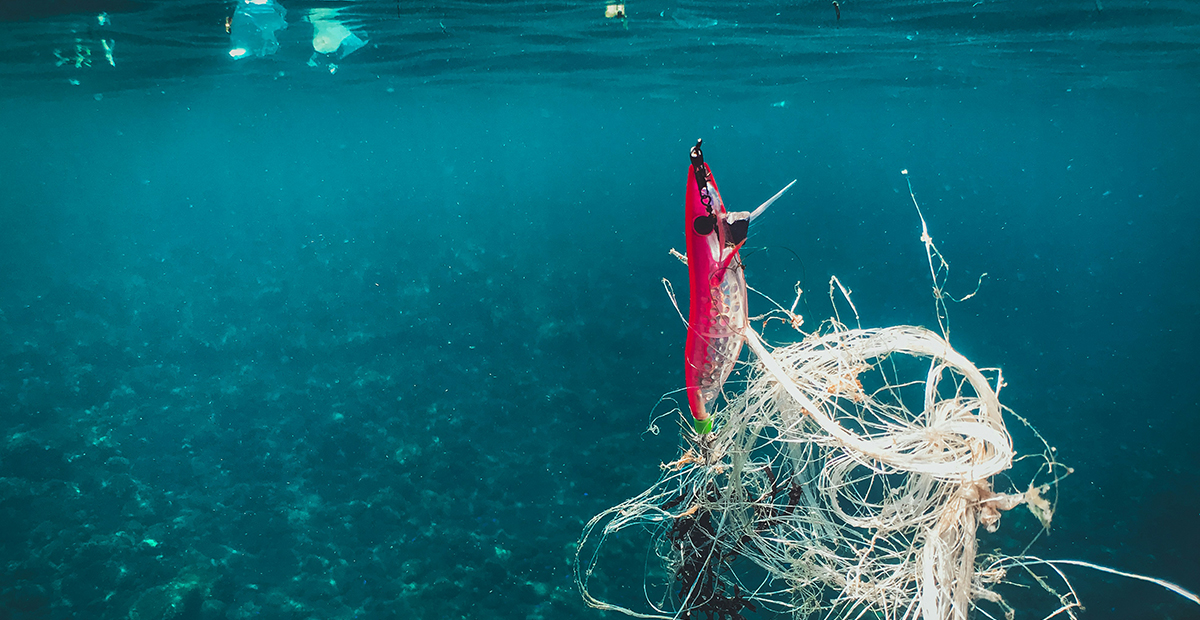
We have finally found a supplier: Plastix based in Denmark. They collect ocean waste, such as discarded fishing nets and lines, and turn it into usable plastic. In doing so, they help clean our oceans while also reducing the need for virgin plastic production. This reclaimed plastic can now be used in our friction pads.
Fishing nets and lines that are left behind in the sea are a huge threat to marine ecosystems. These so-called ghost nets continue to trap and kill indiscriminately. They don’t just catch fish. Sea turtles, dolphins, porpoises, birds, sharks, and seals are also commonly ensnared. Hundreds of animals can be caught in a single net, showing the scale of the problem. And it gets worse: ghost nets also damage coral reefs by breaking off coral, spreading disease, and blocking essential sunlight from reaching the reef.
Most modern fishing nets are made of nylon or other plastic compounds that can persist for centuries. In fact, the Great Pacific Garbage Patch is estimated to consist of at least 46% ghost nets. These abandoned lines and nets don’t disappear, they simply break down into smaller and smaller pieces. Marine animals mistake these microplastics for food, which can damage internal organs, prevent proper digestion, and expose them to toxic chemicals.
The ability to reuse ocean plastics and reduce our reliance on virgin materials is another important step towards a circular society. Thanks to this initiative, we will help remove and recycle more than one metric ton of marine waste every year.
Two-Thirds Recycled Plastic
By combining marine waste plastic (MWR), post-consumer recycled plastic (PCR), and virgin plastic, we’ve developed a product that now consists of nearly two-thirds recycled material. For us, this represents a major step forward, and hopefully it will open the door to even more sustainable solutions in the future.
Facts:
Material composition of our friction pads.
Previously: 100% virgin plastic
Now: 23% MWR, 41% PCR, 36% virgin plastic
Would you like to know more about our sustainability efforts, or have questions? Don’t hesitate to contact me. I might not have all the answers, but I’ll do my best. You can reach me at [email protected], +46 703 25 11 90
